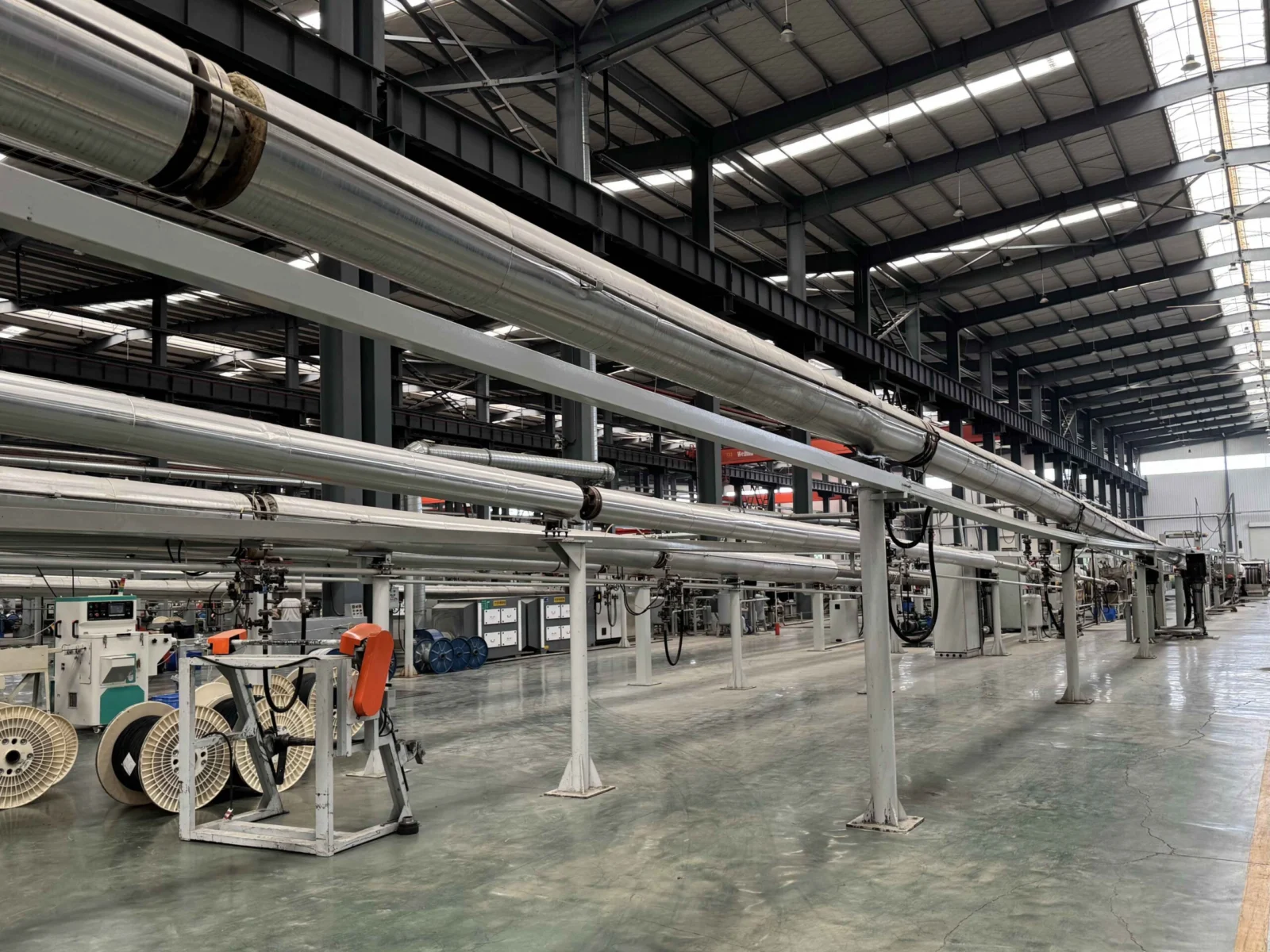
Selecting a CCV Line for Your Cable Construction
Start with the cable insulation system and compound, then compare the line configuration. The XLPE and rubber CCV machines in this range use different curing processes, so voltage rating alone is not enough to select a line.
XLPE insulation with dry nitrogen curing
The XLPE CCV line applies the conductor screen, XLPE insulation and insulation screen through a triple-layer crosshead. Its product sheet separates an MV reference configuration from a 132 kV reference configuration. Compare conductor ranges, extruder sizes, maximum core diameter and curing/cooling tube length within the same configuration.
Rubber insulation or sheathing
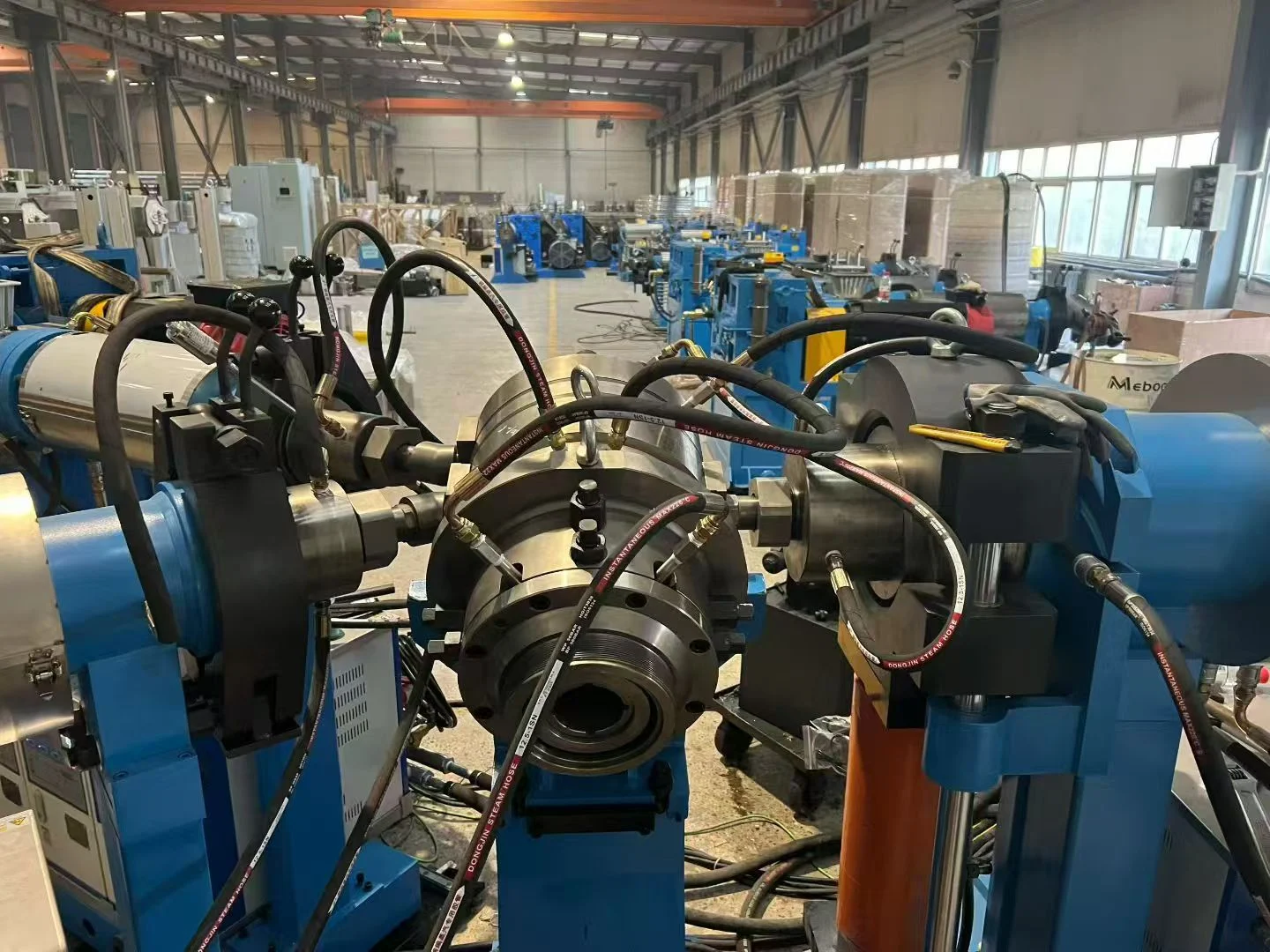
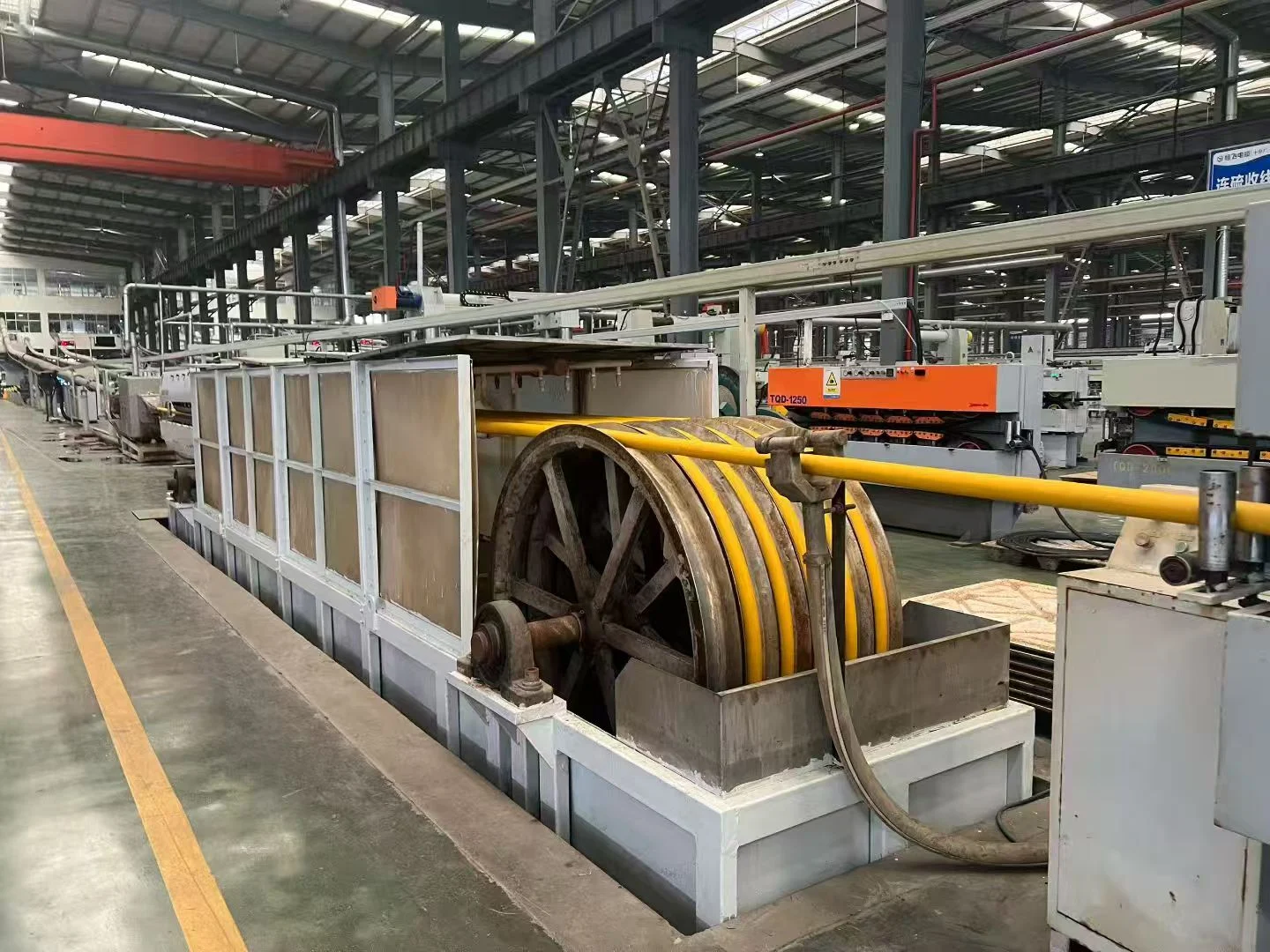
The rubber CCV line uses rubber extruders and steam vulcanization. Identify the insulation or sheath compound, cable construction and curing requirements before comparing the proposed equipment and utilities.
Information needed for a useful configuration review
- Target voltage, conductor material and cross-section, insulation thickness and finished core diameter.
- Screen and insulation compound grades, production target and the cable sizes used most often.
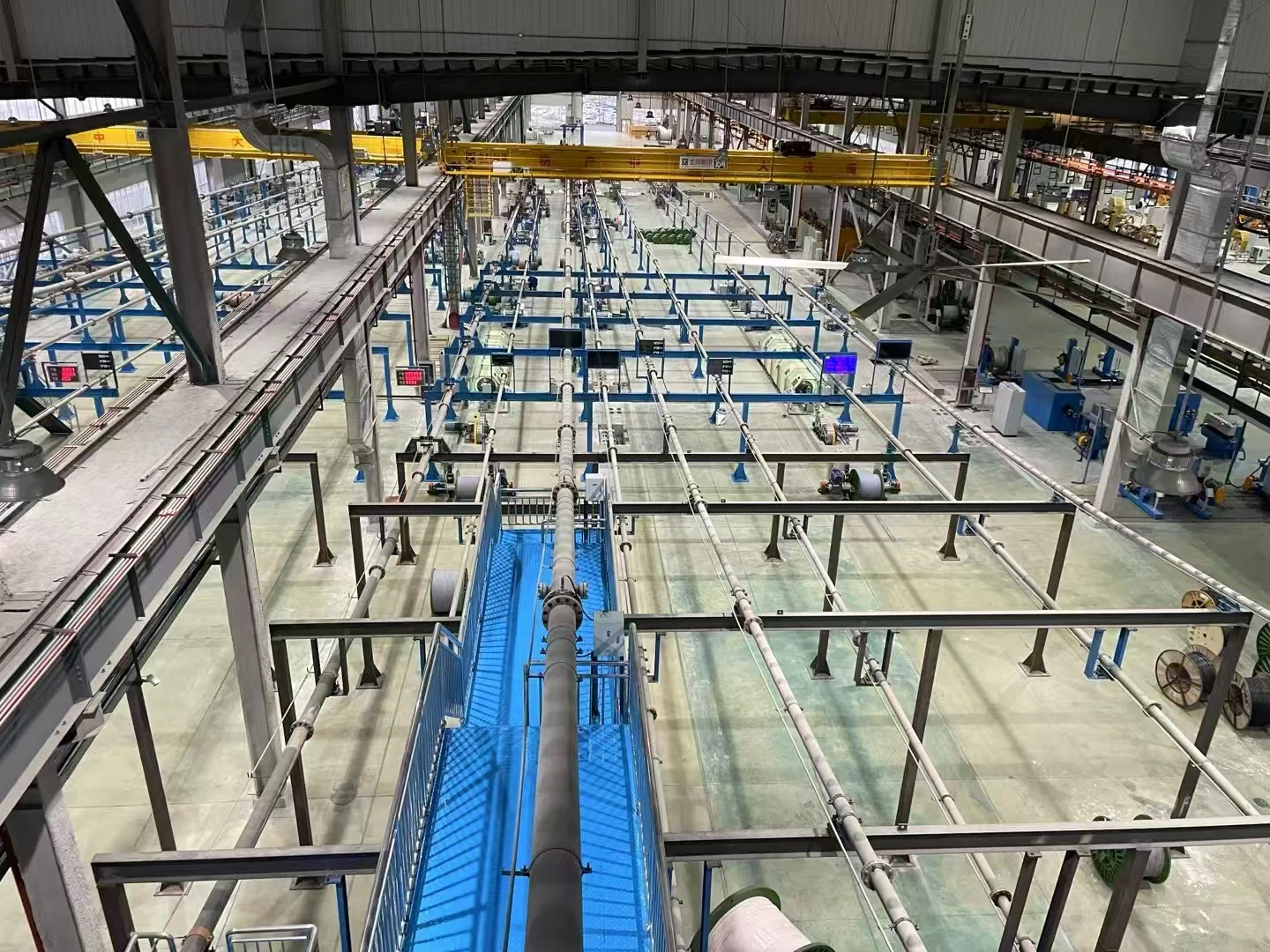
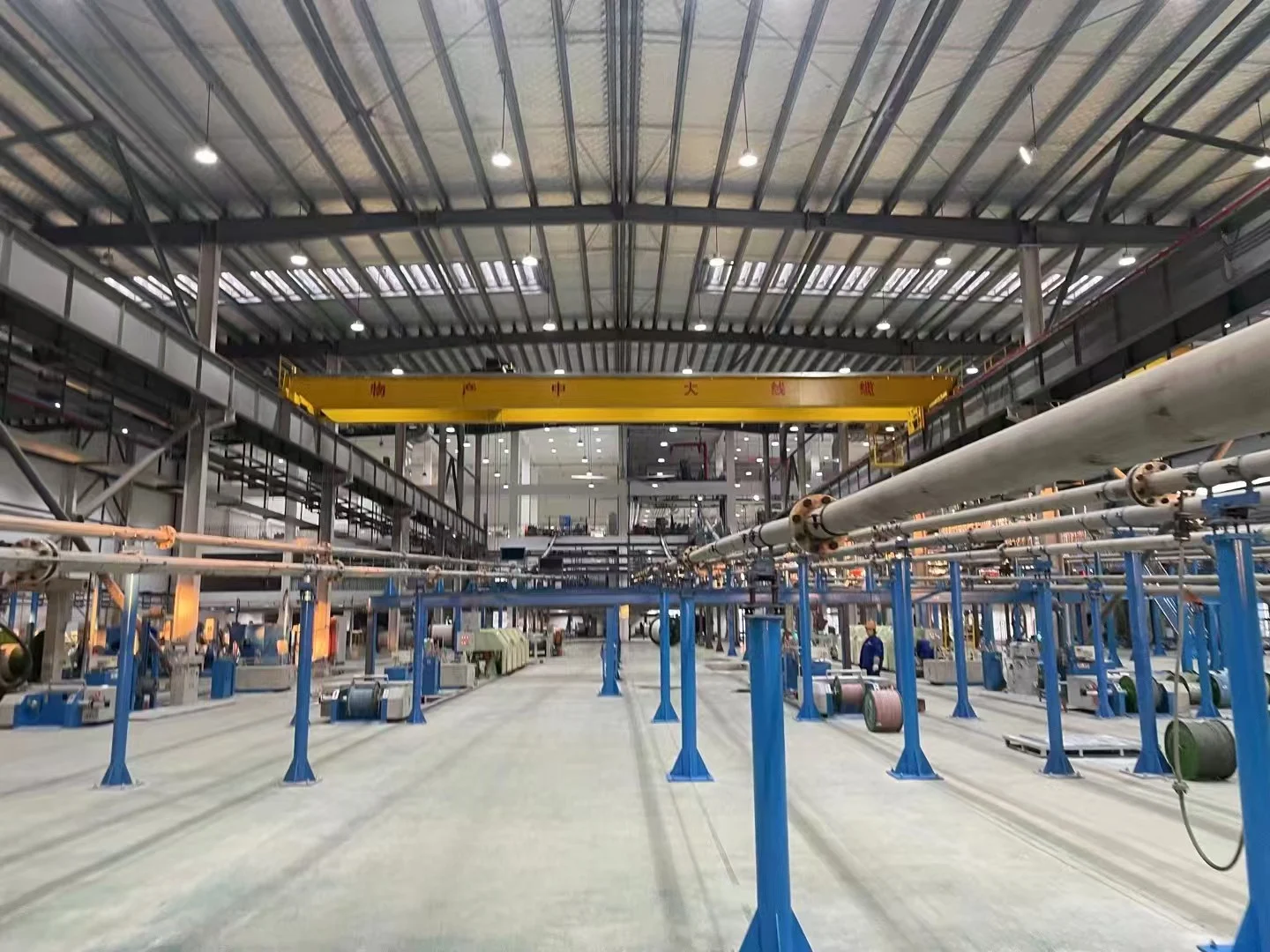
- Available building layout, curing and cooling route, pay-off and take-up arrangement, and site power supply.
Can the largest conductor size and highest speed be combined?
Do not combine separate catalogue maxima into a single production guarantee. Output and line speed need to be checked for the selected conductor, insulation thickness, compounds and curing/cooling arrangement. Use the product sheet and a representative cable drawing for the review.
Send your CCV line requirements to KINGSTRONG for machinery sourcing and technical coordination.