Wire Stranding Machines

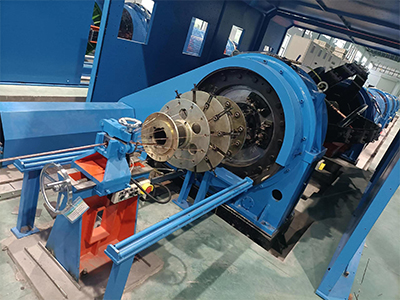
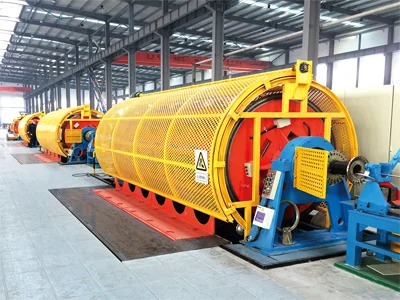
Compare tubular, rigid, central and planetary stranding equipment for your conductor construction, bobbin sizes and loading requirements. KINGSTRONG connects overseas cable manufacturers with equipment partners and integrated trade services in China.

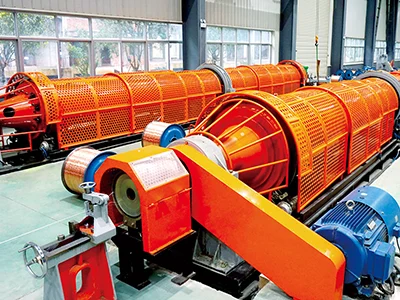
For copper, aluminium and steel wire stranding, including OPGW cable applications.

  • Bobbin sizes: 315 / 400 / 500 / 560 / 630 / 710 / 760 / 800 mm
  • Loading: Optional batch-loading hoist unit
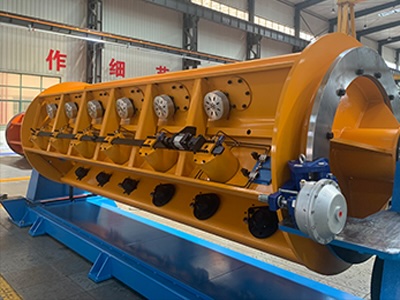
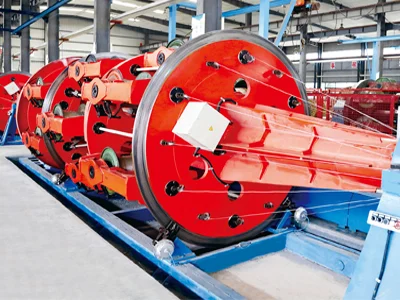
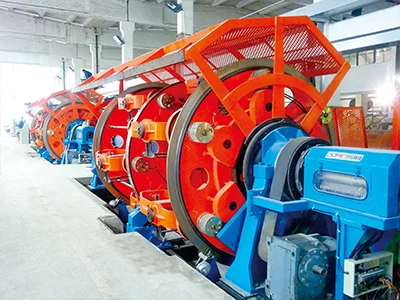
For compacted circular, compacted sector and pre-spiralled sector conductors.

  • Bobbin sizes: 500 / 630 / 710 mm
  • Bobbins per cage: 6 / 12 / 18 / 24 / 30
  • Loading: Batch-loading device

Compare single- and double-bobbin configurations against your conductor construction and line requirements.

  • Bobbin sizes: 1000 / 1200 mm
  • Operating modes: Single bobbin / double bobbin
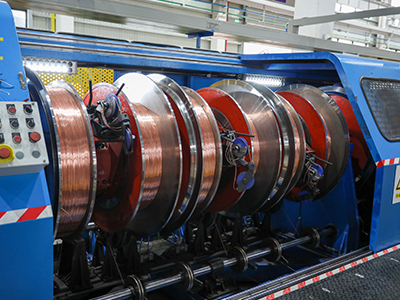
For copper and aluminium wire stranding, including OPGW cable applications.

  • Bobbin sizes: 400 / 500 / 600 mm
  • Bobbins per cage: 6 / 8 / 12 / 16 / 18 / 24
Compare equipment and review product sheets

Explore stranding and bunching equipment in the Product overview and download product sheets. To discuss a suitable configuration, prepare your wire material, conductor construction, bobbin sizes and target output.

Selecting a Wire Stranding Machine

Choose around the conductor construction and the wires or cores to be processed. Bobbin diameter, number of positions, loaded bobbin weight and loading arrangement are important alongside the required lay length and production target.

Compare the machine configurations

Review the tubular strander for the specified copper, aluminium or steel wire construction. For compacted circular or sector conductors, compare the rigid-frame strander and its cage configuration. The planetary strander product sheet provides a separate reference for planetary configurations.

Separate conductor stranding from cable assembly

Identify whether the process combines individual wires into a conductor or assembles insulated cores into a cable. For cable assembly and drum-twisting requirements, also review the cable stranding machines and drum twisters. State the material and construction entering and leaving the machine.

Prepare a representative production requirement

  • Wire material, wire diameter, number of wires or cores, conductor drawing and finished diameter.
  • Required lay-length range, compaction requirement and target line speed or hourly output.
  • Bobbin flange diameter, barrel dimensions, loaded weight and preferred loading method.
  • Pay-off/take-up details, floor space, power supply and interfaces with existing equipment.
Does a larger bobbin automatically mean higher output?

Bobbin size is one configuration choice. Production capability must also be checked against conductor construction, lay length, operating speed and handling requirements. Compare the complete proposed line for your representative product.

Request a stranding-machine configuration review with your cable drawing and production requirements.