Cable Extrusion Lines

Review extrusion machines for cable insulation, sheathing and jacketing. Compare the listed extruder models, crossheads and control features against your materials, cable dimensions and production requirements. KINGSTRONG connects overseas cable manufacturers with equipment partners and integrated trade services in China.

Extruder Models

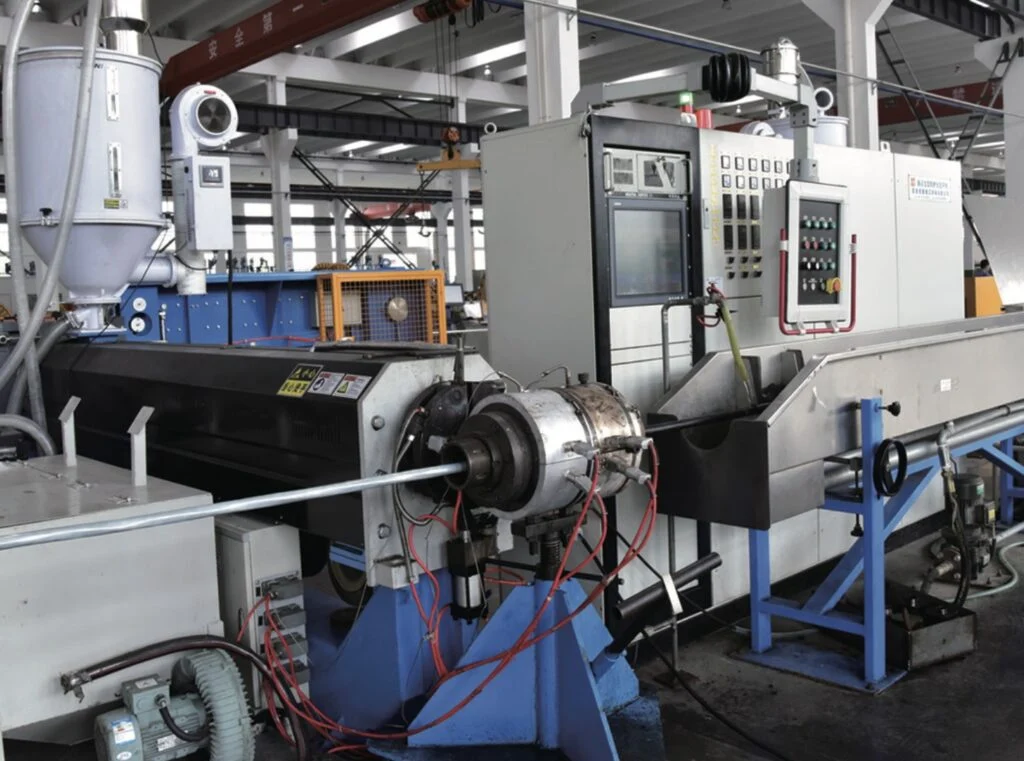
Cable extrusion line with an extruder, crosshead and adjacent control cabinets

Extruder

  • Suited to a wide range of applications
  • High throughput values with the retention of excellent linearity
  • Stable melt temperature
  • Low-maintenance design for an extended service life
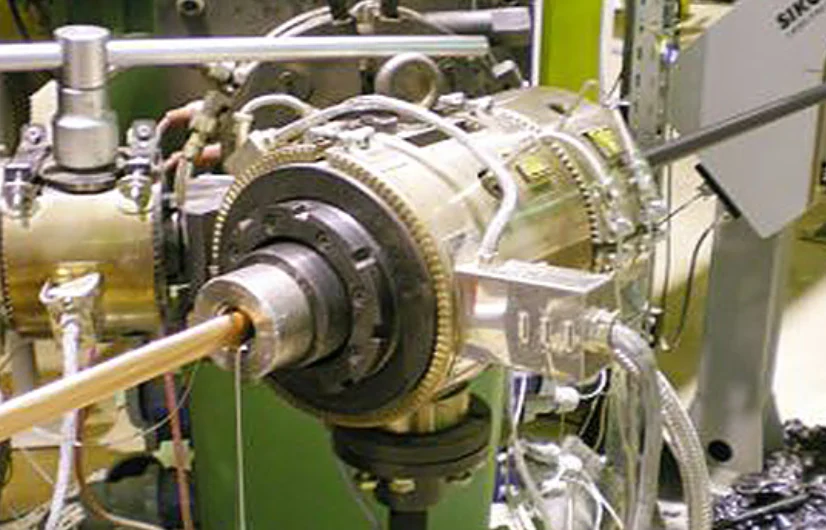
Close-up of a cable extrusion crosshead with attached hoses and fittings

Crosshead

  • Long life and low maintenance
  • Large product range on each crosshead
  • Computer-calculated distribution flow channels
  • Low tolerances for material-saving operation
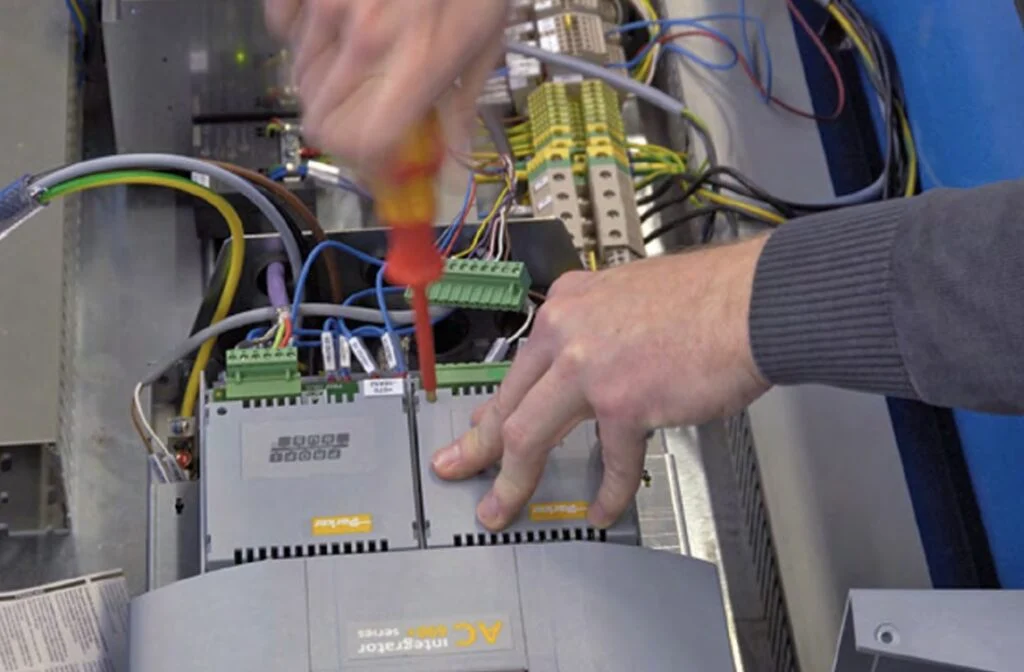
Technician working on drive controls and wiring inside an electrical cabinet

Electrical Control

  • Integrated PLC-PC control
  • Efficient data visualization & storage
  • Automation with PLC software
  • Remote support via Ethernet

Compare machines and review product sheets

Explore sheathing and extrusion machines in the Product overview and review the cable sheathing extruder product sheet. Prepare your material, cable dimensions, sheath thickness, output requirement and utility information for a configuration review.

How to Select a Cable Extrusion Line

Define whether the enquiry is for an extruder or a complete insulation or sheathing line. An extruder model identifies only part of the process: the compound, crosshead, tooling, cooling, haul-off and cable handling arrangement must work together.

Match the compound to the process

The cable sheathing extruder product sheet lists PVC, PE, XLPE and LSHF applications. This does not mean that one screw and temperature profile suit every compound. Provide the material grade and datasheet, cable dimensions and wall-thickness requirement for the configuration review.

Compare useful output data

Review screw diameter, L/D ratio, screw speed, drive power and catalogue output together. Catalogue output maxima are not a guaranteed result for every material. Specify the required line speed and hourly output for a representative cable, including the expected changeover range.

Check the complete line arrangement

  • Incoming core diameter, finished cable diameter, sheath or insulation thickness, and concentricity requirement.
  • Pay-off and take-up drum dimensions, cooling length, haul-off arrangement and available factory space.
  • Power supply, control interfaces, line direction and equipment to be retained from an existing line.
How is a CCV line different from a general extrusion line?

A CCV line includes a specified curing process as well as extrusion. For XLPE insulation with dry nitrogen curing or rubber compounds requiring steam vulcanization, compare the dedicated CCV line configurations against the intended cable construction.

Share your extrusion project requirements to define the machinery and supporting equipment to be quoted.